Human history has hung on a timeline of change and every generation has been asked to answer the same call, to adapt and evolve. From the printing press to the PC, change has continuously re-defined both the work we do and how we do it. Where the future differs from the past is the pace at which change will impact society.
Opinion
Navigating a changing world
By
on 03 March 2025
We are, after all, at the dawn of an Age of AI that threatens to transform not only the nature of work but whether humans will need to work at all.
This comes alongside a changing climate, conflict returning to Europe, and large parts of the world being caught in new or ongoing cycles of political and economic instability.
Despite not knowing exactly what the future will hold, we know this much: the nature of change is set to be revolutionary, not evolutionary. We need, therefore, to understand how to navigate a world that could look almost unrecognisable from our own while keeping the workers of the future safe and healthy.
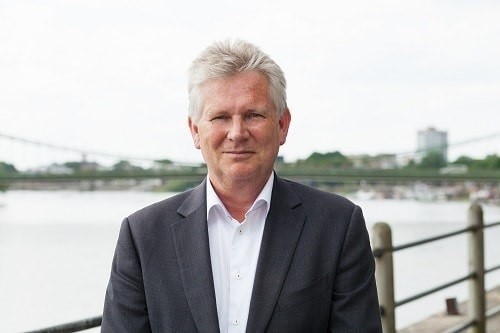 Mike Robinson, chief executive of British Safety Council: "Despite not knowing exactly what the future will hold, we know this much: the nature of change is set to be revolutionary, not evolutionary.
It’s for this reason that Leading Health, Safety and Wellbeing in a Changing World was picked as the theme of our first post-pandemic Middle East conference, held in Dubai on 11 February.
It brought together over 125 health, safety and wellbeing leaders to share and learn from the latest developments, best practice and success stories that can help employers to help their employees be well in a changing world.
It showed that a commitment to worker health, safety and wellbeing transcends differences in nationality, language and culture. It also re-confirms that a determined group of people dedicated to the same objective can navigate change, create safer workplaces and in doing so, save lives.
It was this same commitment, 51 years ago, that drove a generation to legislate for worker safety through the Health and Safety at Work Act (1974) and it will be this same spirit that enables the workers of the future to thrive; despite the changes around them.
The theme of navigating change builds on a joint research project between British Safety Council and the Institute of Occupational Medicine, titled Being Well in a Changing World. It sought to establish a direction of travel for health, safety and wellbeing amid the changes and challenges of today and tomorrow.
From its findings, several recommendations were made including the need for a standardised measure of wellbeing and a willingness to share best practice. At the core of each of its recommendations was the role that industry and its leadership must play in creating a safer world in which all workers can thrive.
We know that leadership is and will remain key to effectively navigating change. Our first conference session looked at the role of leaders in establishing just workplace cultures, reflecting the need for workers to feel safe and secure as a foundation.
From there we looked at how workplace cultures can be changed, how employers can encourage psychological safety, AI as a help and not a hindrance, and the role that environmental, social and governance frameworks play in creating sustainable wellbeing strategies.
The theme of change was underscored at every turn by a perennial truth: our people are our power and how we support them will dictate our successes; both as employers and as a society.
While the future holds many unknowns, it is clear that we must place human dignity at the centre of workplace transformation.
Organisations that view health, safety and wellbeing not as compliance requirements, but as strategic imperatives will reap the rewards that only sustainable wellbeing can offer.