
A significant “silence gap” is threatening UK workplace safety and operational integrity, according to new data released by training provider Mental Health First Aid (MHFA) England.
News
Nearly half of UK workers afraid to flag risks, says new research
By
on 10 February 2026
In its survey of 2,000 working adults, MHFA found that 45 per cent of employees do not feel safe raising mistakes or highlighting risks to their employers.
The research also highlights that:
- 49 per cent don’t feel comfortable expressing their needs at work
- 35 per cent don’t feel safe asking for help
- 15 per cent say they have made preventable mistakes because they felt unsafe speaking up
The data underscores a critical vulnerability in modern workplace performance: the psychological safety gap. Experts warn that when fear of judgment silences a workforce, innovation stalls and critical errors go unchallenged.
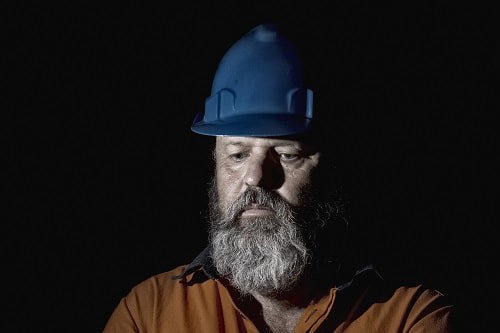 Over a third, or 35 per cent, of UK workers surveyed don’t feel safe asking for help. Photograph: iStock
With roughly one in seven employees (or 15 per cent) admitting that stress and fear have already led to preventable mistakes, the research suggests, says MHFA, that “strengthening mental health culture is now a prerequisite for robust risk management."
Sarah McIntosh, Chief Executive of MHFA England said: “When people don’t feel safe flagging a risk or asking a question, mistakes slip through, quality suffers, and the bottom line and wellbeing take a hit. In an era of rapid AI adoption, we can't afford employees who are too afraid to speak up when they spot errors - human judgment is our strength and safety net."
“The good news is that psychological safety can be built with the right tools and training to create the conditions that teams need to thrive.”
To combat this trend, MHFA England has launched a free toolkit for organisations. The resources have been created ahead of My Whole Self Day on 10 March, a day set up by the training provider aimed at helping organisations to empower employees to "bring their whole self to work."
"Small changes can make a significant difference to whether people feel safe to speak up," added McIntosh. "From the conversations managers have to the way meetings are run, psychological safety strengthens employee productivity and mental health.”
Access My Whole Self Day resources here
NEWS

Indian government developing social security scheme for gig and platform workers, says labour secretary
By Orchie Bandyopadhyay on 21 October 2026
In a bid to expand the country’s social security safety net, the Modi government is working on a proposed social security scheme for gig and platform workers, Ministry of Labour and Employment secretary Chandra Bhushan Kumar revealed in a speech to the Confederation of Indian Industry (CII) in September.