

1.7 million workers in Great Britain suffer from health conditions caused or made worse by their job – higher than before the pandemic, a new report has found.
News
Poor-quality work “worse for health than being unemployed”, says report
By
on 13 March 2025
Most health conditions develop outside work, but for a significant number of people, work itself is the cause, said the report produced by independent, cross-sector group, the Commission for Healthier Working Lives.
“Persistent insecurity, workplace discrimination and extreme demands take a serious toll on health,” it said.
“In some cases, poor-quality work is even worse for health than being unemployed.”
Other job features, such as long or irregular hours and night shifts, though sometimes unavoidable, can pose risks if not properly managed, it continues. They can for example increase the risk of anxiety, depression and other serious health issues.
 Photograph: iStock
By 2040, it is thought that the number of working-age adults in England living with major illnesses will rise to 3.7 million, up from 3 million in 2019.
But many people could remain in work with better flexibility, job adjustments and timely support, says the report, titled Action for healthier working lives and published this week.
“We heard from a number of leading employers who are taking a comprehensive approach to workforce health by providing support for workers with health issues while considering broader factors like job design and leadership culture,” it said.
The timely report comes as the government’s Employment Rights Bill returned to Parliament for its report stage. MPs debated amendments on 11 March including new rights to request flexible work on day one of employment, a proposed ban on exploitative zero hours contracts and new family friendly rights, such as a right to unpaid bereavement leave.
Deputy Prime Minister Angela Rayner has said: “We are turning the tide – with the biggest upgrade to workers’ rights in a generation, boosting living standards and bringing with it an upgrade to our growth prospects and the reforms our economy so desperately needs.”
Action for healthier working lives report is here
Follow the passage of the Employment Rights Bill here

FEATURES
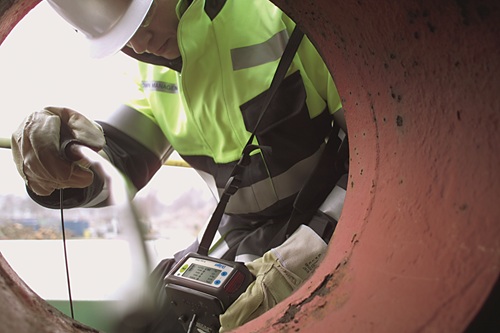
Portable gas detection: back to basics
By Megan Hine, Draeger Safety UK on 02 April 2026
Portable gas detectors are a vital safety tool for tasks like water treatment and refrigerated food processing, but it’s essential they form part of a wider system for controlling the risks posed by gases, including staff training, detector maintenance and a through understanding of the relevant legal duties.

Foresight, hindsight and heads in the sand – preventing future deaths from asbestos
By Charles Pickles, Airtight on Asbestos on 02 April 2026
With growing evidence of rising cases of asbestos disease among people working in buildings containing asbestos, it is clear the existing strategy of managing asbestos-containing materials ‘in situ’ is failing, and a comprehensive programme of removal must be adopted as quickly as possible.

Paint spraying: why motor vehicle repair workshops need to tackle the asthma risk
By Kate Field, HSE on 01 April 2026
Vehicle paint sprayers face an elevated risk of developing debilitating occupational asthma from exposure to isocyanates found in certain ‘2-pack’ paints, coatings and lacquers, so HSE is encouraging motor vehicle repair businesses to prevent or minimise exposure through a mix of education, advice and enforcement.