Equality and inclusion are often discussed in workplaces as matters of culture or values. In health and safety, they are matters of life and death, health and dignity.
Opinion
One size fits none: why inclusive safety matters
By
on 05 May 2026
A ‘one-size-fits-all’ approach to risk management leaves too many people unprotected, particularly those already made vulnerable by health, socioeconomic status, gender, age, disability or working arrangements. If we are serious about ensuring every worker goes home safe and well, equality and inclusion must be embedded in how we design, deliver and evaluate occupational health and safety.
This is especially clear when we consider vulnerable workers. Whether migrant workers in informal economies overseas, disabled or neurodivergent colleagues in UK workplaces, or those balancing work with caring responsibilities; vulnerability is often created not by the individual, but by systems that fail to recognise difference.
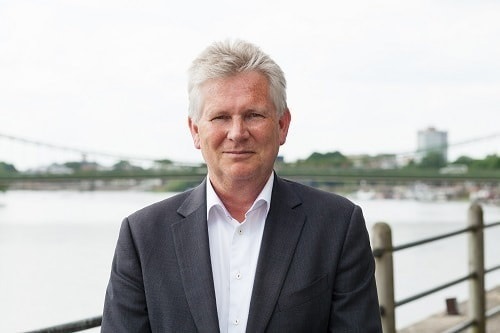 Mike Robinson: "Equality and inclusion are not optional extras; they are the measure of whether our systems work at all."
A powerful example comes from our ongoing collaboration with Work Fair and Free in India. Millions of migrant workers move for employment each year, often into informal and hazardous sectors such as construction and manufacturing.
With limited access to training, suitable PPE, or job security, they face disproportionate risks of injury and ill health. In its first year alone, our community-based ‘train the trainer’ initiative empowered more than 13,000 vulnerable migrant workers with the knowledge and resources to reduce workplace harm and protect themselves and others. Now continuing to expand its reach, this initiative demonstrates a simple truth: when we design safety around lived realities, inclusion becomes a lifesaver.
The same principle applies closer to home. Personal protective equipment (PPE) remains one of the clearest examples of inequality in health and safety. Historically, PPE has been designed around a narrow range of body types, often based on male norms.
For women, disabled workers and people from different ethnic backgrounds, ill-fitting PPE is not merely uncomfortable; it is dangerous. Gloves that reduce dexterity, masks that fail to seal properly, and harnesses that do not accommodate different body shapes all increase risk. If equality in safety is to mean anything at all, then it must ensure every employee has equipment that genuinely protects them.
Health and safety must also respond to life stages and health transitions. Peri- and post-menopause can bring fatigue, brain fog, anxiety and temperature sensitivity, all of which can affect safety-critical work.
Yet, menopause remains poorly understood, despite directly affecting around 15 per cent of the UK workforce and indirectly impacting many more. Measures such as temperature control, flexible uniforms, rest breaks and open conversations are not special treatment; they are sensible, risk-based adjustments.
Harassment at work is another critical but often overlooked safety issue. It undermines psychological safety, affects concentration, increases absenteeism and damages mental health, all of which heighten the risk of accidents and long-term harm. A truly safe workplace is one where people feel respected and protected. That requires zero tolerance, clear reporting mechanisms, regular training and visible leadership commitment.
Neurodiversity and disability further highlight the need for inclusive safety by design, not as an afterthought. Neurodivergent workers may experience sensory overload, communication barriers or heightened anxiety in certain environments.
Disabled workers may face serious obstacles during emergencies if evacuation procedures fail to account for mobility, sensory or cognitive needs. Inclusive evacuation planning, including Personal Emergency Evacuation Plans, accessible alarms and regular engagement, is at the heart of equal occupational health protection.
The thread connecting all these issues is simple but profound: vulnerability is often created by systems that do not listen, adapt, or include. Health and safety professionals are uniquely placed to be agents of change. By engaging with workers, using data intelligently and challenging assumptions about ‘normal’ work and workers, we can design safer systems for everyone.
Equality and inclusion are not optional extras; they are the measure of whether our systems work at all. When safety is designed around those most at risk, everyone benefits. Standards improve, risks are reduced, and workplaces become safer, healthier and more humane. The true test of any health and safety system is not how well it serves the majority, but how effectively it protects those who might otherwise be left behind. Only then can every worker return home safe and well at the end of each day.
Mike Robinson FCA is Chief executive of the British Safety Council