
Better Covid-19 safety measures, good environmental features like natural daylight and better air quality, and opportunities for wellness activities and relaxation are some of most factors that would encourage India’s home and hybrid workers to come into the office more frequently, according to a new survey.
News
Better environmental features and Covid precautions could encourage Indian staff back to the office, says survey
By
on 06 April 2023
The survey, Voices from India: How will people work in the future?, from global real estate company CRBE, also found that better quality workplaces in terms of design and aesthetics, improved technology in the office, greater variety of working environments within the office, and occasional social and entertainment events were among other key factors that would also encourage home and hybrid staff to attend the office more regularly.
 Photograph: iStock Credit SDI Productions
The report, which questioned around 1,500 office-type workers and employers in India about how they intend to work in the future, reveals that the appetite for flexible working kick-started by the pandemic remains strong, with 69 per cent of respondents preferring to work in the office at least three days per week.
However, when assessing future job opportunities, female employees placed a greater emphasis than men on having flexibility about their working location, hours and days – which CRBE says may be due to females having “higher family commitments and [striving] for a better work-life balance by preferring to work remotely”.
Over 66 per cent of all three types of worker – office-based, hybrid and remote (solely home-based) – reported that their level of job satisfaction had increased since the pandemic.
However, while 47 per cent of office and 53 per cent of hybrid workers said the level of stress they experience has increased since the pandemic, the figure was much higher for remote employees – 70 per cent of whom reported an increase in stress. According to CRBE, this may reflect the importance of in-person interactions in the workplace for reducing employees’ work-related stress levels.
Although salary and HR benefits remain the most important consideration for office-based and hybrid workers of all ages when considering changing jobs, trust in the management of the prospective new employer was ranked as the second most important factor for office and hybrid workers when selecting future roles. Trust in the management of the company has moved to second place while learning, development and training opportunities, which was ranked second in a previous CRBE survey in 2016, has fallen to fourth in the latest survey.
According to CRBE, the global move to a “phygital” working world, with limited physical interactions, may be the reason why trust in the management of the company has emerged as an important factor for both office-based and hybrid job seekers.
Commenting on the report, CRBE said employers in control of offices needed to accommodate workers’ desires for a balance between office and hybrid working, and invest in good environmental features in buildings that would support employees’ health and wellbeing.
“As ‘health and wellness’ in the workplace is a key factor driving employees to offices, companies should focus on ESG-compliant buildings as well as ensure natural daylight, better air quality and acoustics in workplaces.
“Also, as part of talent retention and recruitment initiatives, companies should improve the quality of work environment through better workplace designs, technologies, services and amenities.”
The full report can be found here.

NEWS
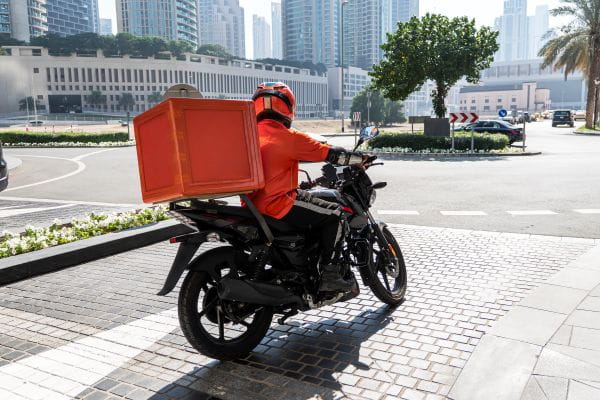
Indian government developing social security scheme for gig and platform workers, says labour secretary
By Orchie Bandyopadhyay on 21 October 2026
In a bid to expand the country’s social security safety net, the Modi government is working on a proposed social security scheme for gig and platform workers, Ministry of Labour and Employment secretary Chandra Bhushan Kumar revealed in a speech to the Confederation of Indian Industry (CII) in September.