
Reasonable adjustment ‘passports’ can help companies get the best out of neurodivergent employees and enable them to thrive in the workplace, according to Worcestershire County Council’s occupational health and safety manager, Gary Monaghan, who talks from personal experience.
News
Employers urged to make reasonable adjustments to help neurodiverse staff thrive
By
on 28 January 2024
Speaking at the SHW Live North conference in Manchester on 24 January, Monaghan described how his neurodivergent traits – namely autism, attention deficit hyperactivity disorder (ADHD) and dyslexia – had resulted in him being bullied and “classed as weird” in previous jobs, leading to a period of absence for work-related stress and contributing towards suicidal thoughts. When he joined Worcestershire County Council, however, his new employer took a different approach and his manager “changed my life”.
The council has a reasonable adjustment passport system in place, whereby managers can have “honest conversations” with neurodivergent employees about changes in the workplace that can help them carry out their duties more effectively. According to Enna, which helps companies meet the needs of neurodivergent employees, reasonable adjustment passports are portable documents that outline workers’ specific requirements.
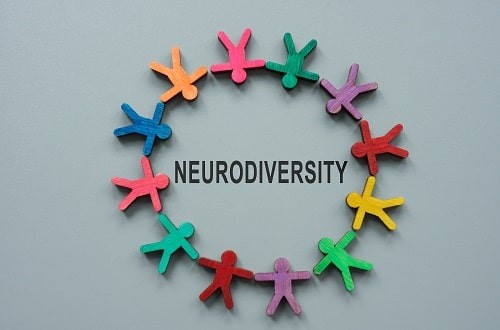 Reasonable adjustment passports are portable documents that detail neurodivergent employees' requirements. Photograph: iStock designer491
In Monaghan’s case, this means allowing him to work from home most of the time.
“I hate going to the office because of my ADHD, so my reasonable adjustment is to work four days a week from home,” he said, noting that “I’m much more productive working from home”.
Monaghan’s employer had told him that “whatever condition you’ve got, we’ll support you”, and this had a transformative impact on his working life.
He would like to see more employers taking this approach and encouraging employees to be “open and honest” about their specific requirements, so they feel more comfortable coming forward.

NEWS
British Safety Council calls on UK Government to ban silica-containing materials
By on 20 August 2026

Network of welfare hubs for Hyderabad gig workers planned by entrepreneur
By Orchie Bandyopadhyay on 14 August 2026
A well-known Indian entrepreneur-turned-investor is set to launch the first of what he hopes will become a chain of subscription-based community welfare hubs providing rest and related facilities for the nation’s ever-growing gig workforce.
Mates in Mind launches free suicide prevention training for construction workers
By on 13 August 2026