In a relatively short time, Artificial Intelligence (AI) has become synonymous with technological development, but development doesn’t inherently mean that the workers of the world will have a safer future.
Opinion
An AI-enabled ‘zero-zero’ future
By
on 07 October 2025
Looking ahead, 50 or 100 years from now, an AI-enabled future could relegate work-related fatalities and injuries to the annals of history, making a ‘zero-zero’ world (no occupational fatalities or injuries) a reality for the first time.
It could also widen inequalities, creating a global postcode lottery of safety in which the haves are safe, and the have-nots are placed at greater risk. We must be clear that a future in which a worker is left behind is a future that has failed workers.
Owing to its growing importance and its growing impacts, we’ve made AI the focus of our 15th Annual Conference, hosted virtually on 14 October. It’s kindly sponsored by Driving for Better Business and will seek to understand how AI is reshaping risk, roles and responsibilities, covering everything from automation to ethical use, from futureproofing to emerging challenges. It promises to be a day of lessons and learnings that can help organisations to adapt to and navigate through change.
 "The challenge is not simply what AI can do, but what we choose to do with it."
Throughout history, technology has shaped our relationship with work and with the workplace, for better and for worse. From the printing press to the PC, the combustion engine to Chat GPT, technology has reshaped the work we do and how we do it. Simply put, tech-driven change is inevitable; tech-driven uncertainty is not.
Our conference and our wider campaigning on technology and the future of work acknowledge this truth. We know that there’s no choice about embedding new technologies into our workplaces; that arrow is already in flight. The choice is whether these new technologies help or hinder employers in creating the safer workplaces of tomorrow, without harming the workers of today. After all, progress means nothing if it puts the workers of today at risk for the promise of a better tomorrow.
We also know that the workers of today, especially those in developing nations, are often the most exposed to AI-related exploitation, from low salaries that risk their financial wellbeing to harmful content that jeopardises their psychological safety. Our 2024 white paper, Navigating the Future: Safer Workplaces in the Age of AI documented the harms faced by Kenyan AI moderators, who were exposed to graphic, harmful, and harrowing content as part of training large language models (LLMs) to recognise abusive content.
For the many workers in similar positions, technological development cannot be allowed to widen inequalities by providing safety benefits only to those in wealthy nations. AI has the potential to create safer, healthier environments everywhere, but only if it’s deployed equitably.
The challenge then is not simply what AI can do, but what we choose to do with it. Creating a safer world for workers demands action from many stakeholders. Governments must establish robust frameworks that embed protections for workers, not as an afterthought but as the core of innovation.
Businesses must prioritise ethical development, ensuring efficiency doesn’t come at the expense of worker wellbeing. Trade unions and workers must have a seat at the table when systems are designed and implemented, and those tables need to reflect a diversity of backgrounds, cultures, and thoughts.
As AI transforms jobs, workers will need support to develop new skills and adapt to changing workplaces. This isn’t about technical competence; it’s about ensuring workers understand how AI systems affect their roles, their rights, and their safety.
The decisions we make about AI today will impact generations of workers; that’s why getting it right matters, making this the defining test of our time.
The choice is ours to make, and history will judge us not by the sophistication of our algorithms but by the humanity of our actions. A ‘zero-zero’ world is within reach; we need only to choose to seize what it offers.
You can get your ticket to British Safety Council’s Annual Conference here
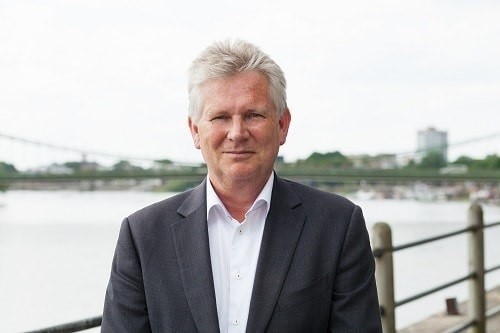
Mike Robinson FCA is Chief executive of the British Safety Council