Success can sometimes be a problem. The better we become at preventing incidents, the harder it can be to see what is actually preventing them.
Opinion
Learning that saves lives
By
on 11 September 2026
Serious accidents command our attention precisely because they are visible, immediate, and often devastating. Education, by contrast, works quietly. It does not always announce itself. Its value is measured in the hazards noticed early, the unsafe choices challenged, and the incidents that never happen. That creates a paradox: one of the most effective tools we have for protecting people can also be one of the easiest to overlook.
Human nature draws us towards the tangible, the visible, the visceral. We remember the photographs, the statistics, and the stories that follow serious incidents. We analyse what went wrong, identify lessons learned, and seek ways to ensure the same thing never happens again. The stronger measure of learning, however, is what’s prevented before it reaches that point: the risk recognised early, the question asked in time, the life protected because someone had been taught to see danger before it became disaster.
That’s why the stories overlooked matter; we rarely hear about the worker who stops before stepping onto an unstable platform, the supervisor who pushes back on a flawed plan, or the apprentice whose question prevents a serious mistake. Each of those moments has education and learning at their core. Someone has learned enough to recognise the risk and felt confident enough to act on their knowledge.
Safe days don’t happen by chance you see; they are the product of people who have learned what to look for, learned when to stop, and learned how to act with confidence around safety. That is the golden thread between education and safety: learning turns risk from something abstract into something people can recognise, challenge, and ultimately prevent.
That’s what education is really for. Not simply certificates or completed courses. Not simply compliance. At its best, education builds the judgement safety depends on. It gives people the knowledge to spot risk, the understanding to see what could happen next, and the confidence to make the right decision before an incident occurs.
That judgement matters more than ever in a world defined by rapid change. Work is changing quickly; new technologies, new pressures, and more complex operations are creating risks that are harder to see, harder to spot, and harder to prevent. Learning is what helps people apply the tried and trusted approach intelligently, recognise when a situation has changed, and evolve our process and policies to meet the challenges of any new age.
The best safety cultures know this, because they are learning cultures too. They understand that safety is not sustained by instruction alone, it’s sustained by people who keep asking questions, challenging assumptions, and developing the competence needed to make safer choices. In that sense, education is not separate from the safety system, it’s what keeps the system alive. Competence is not achieved once and filed away; it has to be built, practised, and reinforced.
For leaders, that can be hard to measure. The best evidence of success may be the absence of disaster. No headline. No investigation. No injury. Just people going home safely at the end of the day because a lesson picked up, someplace and sometime earlier, continues to save lives.
But let us not be complacent, that should never be mistaken for luck. It’s the result of choices made well, risks spotted early, and confidence built over time. Every serious investment in learning strengthens the connection between what people know and how safely they act. It turns safety from a set of rules into a shared capability, competence, and collective symbiosis.
If we want safer workplaces, we have to value not only the lessons learned after tragedy, but the learning that prevents tragedy from happening in the first place. The truest test of education is not the certificate on the wall or the course completed, though these are just rewards, but the moment someone sees the risk, asks the question, and stops harm before it begins.
Those moments may never make headlines, but they are the moments where lives are saved. That is where learning does its most important work: not after harm has happened, but in the split second when harm is stopped and a life is saved.
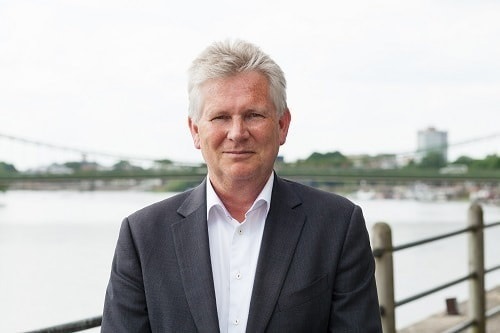
Mike Robinson FCA is chief executive of British Safety Council.