
Effective management of occupational road risk is only possible if employers successfully communicate the importance of all drivers adopting safe behaviours on the road, and there are some simple ways of achieving this.
Features
Driver buy-in critical for an effective road safety strategy
By
on 24 November 2025
There is no ‘one-size-fits-all’ approach when developing an effective road safety strategy. What works for one organisation won’t necessarily work for another, because there are so many variables to consider around the type of fleet, different driver categories and the type of driving an organisation does. What is consistent, however, for any initiative is the need to gain driver buy-in or you are setting yourself up for failure.
One challenge for car and van fleets is that a large proportion of those that get in a vehicle and drive for work don’t think of themselves as a professional driver. If someone completes 30,000 miles a year in a sales or mobile engineering role, for example, do they present a high risk to the business? Of course they do, but would they consider driving as the main function of their job and how likely are they to embrace fleet-and driver-related safety programmes?
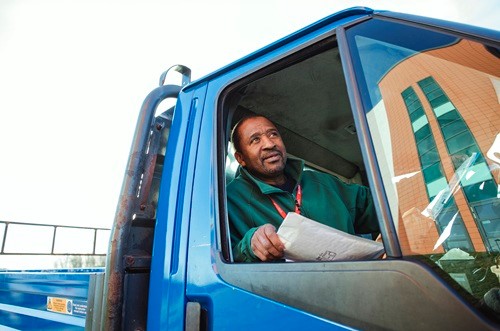 To gain effective buy-in, fleets need to be consistent and proactive in how they message every category of driver. Photograph: iStock
Whether someone drives every day or occasionally, they need to be classed as a business driver that carries associated risks. Every employee needs to understand that no matter how much they drive for work, they are inclusive within the safety strategy and there is the necessary support, care and tools available to them to help manage these risks. Therefore, there needs to be a focus on educating around what constitutes a business driver and why road safety is relevant to everyone.
Consistent messaging
To gain effective buy-in, fleets need to be consistent and proactive in how they message every category of driver. Often, we see organisations with mixed fleets that takes a strong approach to safety for operational drivers – vans, HGVs, specialist vehicles – but then overlook other areas such as company car, grey fleet and occasional drivers. A top-down strategy is required that is championed at a senior level and then focused at line management level. This ensures all communications are clear and inclusive, so drivers feel managed and supported in the same way as part of a safety strategy that prioritises their wellbeing. Being able to say, ‘it’s not safe’ or ‘I don’t feel well enough to make that journey’ and receive the appropriate support is hugely important.
A key component of gaining buy-in is to put drivers at the heart of the strategy. By involving drivers at the beginning, and throughout the process, the organisation benefits from their input and will better understand some of the challenges, and how a collaborative, listening approach can support with positioning new initiatives and objectives successfully.
Not all organisations have a fleet manager, so safety messaging may come from multiple areas of the business – such as operations, transport, HR, occupational health and safety and facilities – which risks the process becoming fragmented and confusing. By creating a single stakeholder group, responsible for devising, implementing and leading the strategy, it is possible to create a programme of messaging that is delivered seamlessly and with clarity. This also ensures broad representation and gives a range of opinions and input that will shape the overall approach.
Flexible communication methods
While any safety message should be consistent to gain universal buy-in, organisations should be flexible in how they deliver information and in what format. Bulletins sent by digital means are highly effective, but some drivers, especially in operational roles, may not have access to email. Therefore, face-to-face toolbox talks may be appropriate to ensure that safety messages are shared to all.
Communication should ideally be shared on a regular basis but be prepared to be flexible with your communication so as not to disengage by, for example, sending too much information. This should be made to the whole organisation as everyone is impacted by road risk, even if someone does not undertake any business mileage and perhaps only commutes to and from work. This supports a strong culture of inclusivity by not limiting positive messaging to a particular group of drivers. Also, to add value, make any advice, tips or guidance shareable with friends and family to extend the reach of the safety message.
To truly win hearts and minds it is crucial to find out what resonates with drivers. Sharing information about headline costs, incidents and impact to the bottom line is fine, but is this really focusing on what is important to them? A safety strategy should also be delivered in an environment that allows those very people exposed to these risks to contribute, challenge and shape the approach on an ongoing basis with openness and transparency. This will give it the best chance for success and ultimately reduce risk on the road, and help save lives.
For more information see: applied-driving.com
linkedin.com/company/applied-driving-techniques-global-solutions-ltd/
@applieddriving
Nigel Lawrence is strategic partnerships director at Applied Driving
FEATURES

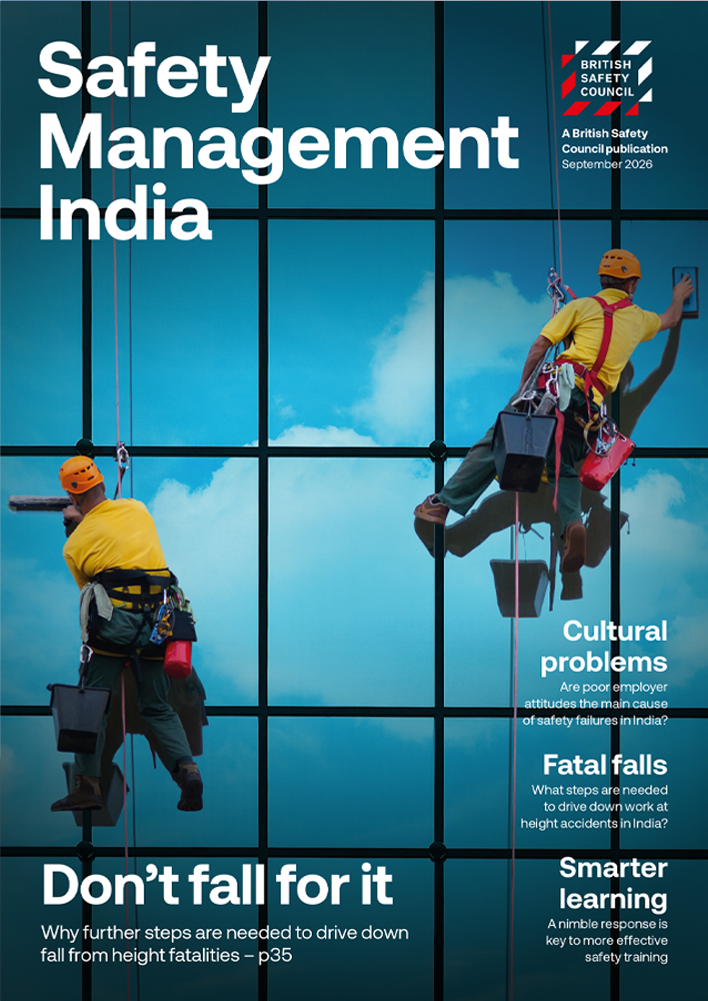
Fatal falls in India: why are the numbers not declining?
By Orchie Bandyopadhyay on 17 September 2026
Despite widespread awareness of safe working procedures and equipment, falls from hieght remain one of the leading causes of workplace death and serious injury in India. Critics say problems such as time pressures and inadequate training lie at the root of many of these incidents, but others are hopeful that the new Occupational Safety, Health and Working Conditions Code will herald a reduction in falls by driving improvements in training, competence and supervision more widely.

Avoidable deaths, endless excuses: how can India improve its workplace safety culture?
By Orchie Bandyopadhyay on 17 September 2026
A recent series of high-profile workplace tragedies that claimed multiple lives across India have stoked public debate about the poor safety record of many of the country’s highest-risk industries. Trade unions argue that greater enforcement of safety laws is required to change business behaviour, while other commentators say many businesses require a huge internal cultural shift to safety excellence that must be led by directors and senior managers.
Why contact with electricity is this year’s leading powered access safety challenge
By on 14 September 2026