
From the growing use of AI and connected technology in the UK’s fast-expanding clean energy industry, to a greater focus on ‘traditional’ safety issues like fire safety and respiratory hazards, Dräger highlights some of the key OSH trends to look out for in 2026.
Features
What to watch in workplace safety in 2026
By
on 02 February 2026
Industrial growth and cleantech innovation
Despite the continuing economic uncertainty, the Government’s intention for national renewal and growth in the UK is clear, with sustained funding recently announced for major new infrastructure projects and broader investment, such as plans for an increase in future defence spending.
When it comes to energy, there is a focus on energy security and a reduction of the UK’s dependence on imports. The Government is committed to accelerated clean energy deployment, aiming for a higher share of low-carbon electricity by 2030, with steps taken towards this aim in the recent Budget announcement of a large-scale nuclear investment programme.
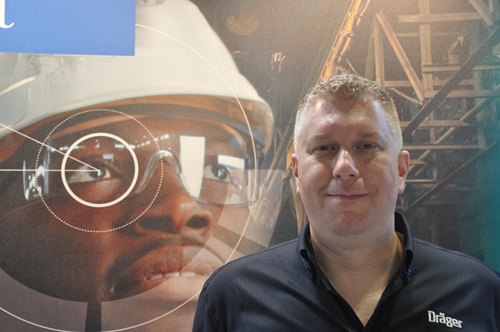 Adam Pope: "In 2025, we saw an increased use of the term psychological safety."
The UK is a global leader in decarbonisation and securing investment in clean energy industries but further investment in sustainable energy is still required to meet current targets and longer-term policy goals. As we see an increase in the required investment and the subsequent growth in low-carbon sources, a new safety landscape will develop, and in places, will create a range of new safety challenges which will require a keener understanding of the safety aspects of emerging fuels, such as hydrogen.
Through partnerships with academia, such as Dräger’s work with the University of Aberdeen, these sorts of safety challenges can be addressed at both a theoretical and practical level. This type of work is vital to ensure that academic solutions and commercial practicalities can be reconciled, providing pragmatic solutions for industry.
AI and connected technology will support this requirement, and we expect to see a continued shift from reactive safety management to real-time and data-driven monitoring. Organisations are increasingly looking for more ‘always on’ safety monitoring, whether through connected gas detection, live monitoring of critical works, and/or automated compliance reporting, and this is influencing the direction of travel when it comes to innovation in safety technology.
Safety as a service
While keeping workforces safe is non-negotiable for businesses, companies are facing tightened budgets in the year ahead, which seems likely to make more health and safety professionals open to different options for acquiring safety equipment.
Many have already recognised that in some situations and environments, renting essential safety equipment offers a compelling alternative to outright purchase. This is because rental arrangements provide a smart way to optimise cash flow, conserve capital and increase borrowing capacity, while allowing access to the very latest, up-to-date safety equipment. The safety rental market therefore seems set to grow in 2026.
Indeed, independent research for the annual Dräger Safety and Health in the Workplace (DSHAW) report indicated that more than half of respondents (55 per cent) believe that their company would be open to renting safety equipment in the future if it meant faster, more affordable access to high-quality technology. This figure rises to 67 per cent in the energy sector, where the high-risk nature of operations can often mean a larger spend on safety.
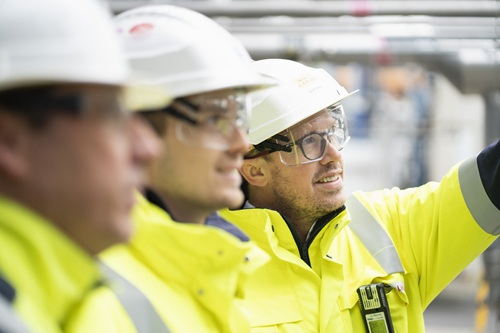 The remit of health and safety is constantly expanding. Photograph: Dräger
Rental options when used alongside outright purchase of equipment, offer smaller firms or those under financial pressure the opportunity to benefit from the latest safety solutions, fully updated and maintained to all relevant safety specifications. Plus, newer equipment is often less complex and easier to use, reducing training requirements and allowing staff to get up to speed quickly, as training can be carried out easily and remotely.
Back-to-basics
The remit of health and safety is constantly expanding, a trend which is broadly positive and reflects improvements in workplace safety.
We hear much about the growth of mental health support and an increasing focus on wellbeing at work, and while there is no doubt that recognition and understanding of mental health issues are fundamental to modern workplace health and safety, there is also a sense that there has been a reset recently and that traditional workplace safety issues, such as gas and fire hazards, are once again becoming prioritised as health and safety takes a back-to-basics approach.
This was again highlighted by research for the DSHAW report, when, as part of the annual survey, respondents are asked to consider the relative importance they feel their company accords to a range of different safety issues. In 2024, the issue of employee mental health and wellbeing was ranked as the leading priority out of a range of health and safety-related issues, with 82 per cent stating that a greater focus on mental health and wellbeing was important in driving businesses and government to rethink approaches to health and safety over the next five years.
In just 12 months, the issue had dropped to number three in 2025 on the same list, with more ‘traditional’ safety issues such as fire safety and respiratory hazards ranking considerably (10 percentage points) higher.
Another observation from Dräger’s work in 2025 has been the key role that training and education continue to play in making sure that fundamental safety topics are well understood and given adequate focus, particularly for those working in safety-critical environments.
Psychological safety
During 2025, we’ve seen an increased use of the term psychological safety, where employees feel comfortable to speak up, raise concerns and admit mistakes, which many believe to be a fundamental prerequisite for physical safety in the workplace. If an employee doesn’t feel able to address risks or raise concerns, danger can remain undetected.
It appears that workplace safety is entering a new phase, largely driven by the younger members of the workforce. This is less about compliance and more about culture, trust and credibility.
Mental health and occupational safety should be strategically managed together through cooperation between HR and health and safety professionals to create a trusting, supportive environment for employees, in which psychological safety becomes a cornerstone for a more comprehensive approach to workplace safety.
While physical safety continues to be at the heart of health and safety, as indicated by the back-to-basics approach above, psychological safety, a focus on mental health and wellbeing, recognises the importance of people not only being safe but feeling safe. This will continue to gather more prominent consideration in the year ahead.
Sustainability
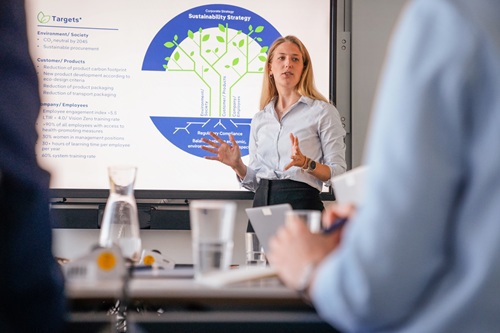 Safety and sustainability must continue to be an integral part of the corporate strategy in 2026. Photograph: Dräger
There is a clear correlation between safety and sustainability: ensuring that people live in a healthier, safer and more environmentally friendly world.
At the same time, there has been a recurring theme when looking at the outlook for 2026: the changing generational attitudes towards corporate approaches to safety and sustainability. Specifically, we’ve seen a rise of ‘Gen C’ – a cynical generation which expects businesses to own responsibility and take their environmental promises seriously, and is questioning employers’ commitments to issues such as health and safety.
Given the link between safety and sustainability, it is perhaps not surprising that this cynicism appears to extend to corporate sustainability programmes, such as sustainable supply chains, an area of growing focus within health and safety procurement. Research shows that six out of 10 workers believe that their employer is engaged in ‘greenwashing’ to some extent, suggesting this is an important consideration for the safety sector as the issue moves up the corporate agenda.
Greenwashing undermines trust in genuine sustainability efforts and can damage broader employer-employee trust, which in turn can threaten a preventive and holistic safety culture in the long term. A lack of trust risks employees not reporting or sharing safety concerns and makes them less likely to seek help and support for issues such as mental health challenges or drug and alcohol misuse, all of which in turn have the potential to impact safety.
Younger generations expect businesses to take responsibility and authentically deliver on their pledges, whether in relation to safety or the environment. It will be important for companies to remain vigilant and ensure that genuine commitments to issues such as safety and sustainability are an integral part of the corporate strategy in 2026, with transparency and open communication at the heart of such policies.
For more information see:
draeger.com/en_uk/Home
Adam Pope is Head of safety marketing at Draeger Safety UK
FEATURES
Fatal falls in India: why are the numbers not declining?
By Orchie Bandyopadhyay on 17 September 2026
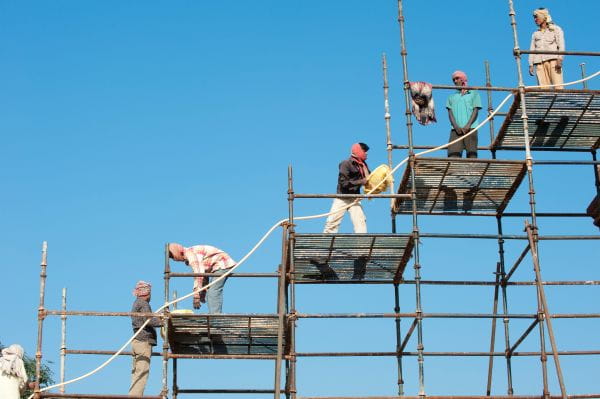
Despite widespread awareness of safe working procedures and equipment, falls from hieght remain one of the leading causes of workplace death and serious injury in India. Critics say problems such as time pressures and inadequate training lie at the root of many of these incidents, but others are hopeful that the new Occupational Safety, Health and Working Conditions Code will herald a reduction in falls by driving improvements in training, competence and supervision more widely.
Avoidable deaths, endless excuses: how can India improve its workplace safety culture?
By Orchie Bandyopadhyay on 17 September 2026
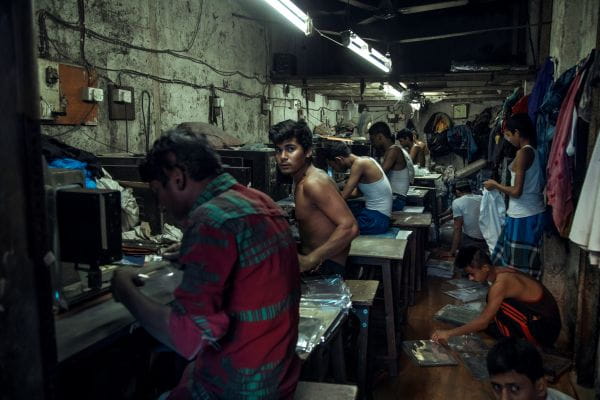
A recent series of high-profile workplace tragedies that claimed multiple lives across India have stoked public debate about the poor safety record of many of the country’s highest-risk industries. Trade unions argue that greater enforcement of safety laws is required to change business behaviour, while other commentators say many businesses require a huge internal cultural shift to safety excellence that must be led by directors and senior managers.
Why contact with electricity is this year’s leading powered access safety challenge
By on 14 September 2026