
Businesses that operate material handling equipment like forklifts are being urged to submit accident and near miss details to a new confidential reporting portal so the industry can identify what needs to be done to improve safety standards.
Features
Why a painted line will never be enough
By
on 30 November 2025
When it comes to safety in the material handling world, no stone is ever left unturned by the UK Material Handling Association (UKMHA), who are ramping up their resources to support businesses and their employees like never before.
No forklift, powered pallet truck, or any other form of material handling equipment is overlooked by the trade association, who are calling on organisations in every sector to take a fresh look at their approach to safety.
Workplace transport remains a leading cause of serious accidents and fatalities in the UK. The Health and Safety Executive (HSE) consistently lists transport as one of its key focus areas. In the transport and storage sector alone, around 25 per cent of accidents involve a forklift.
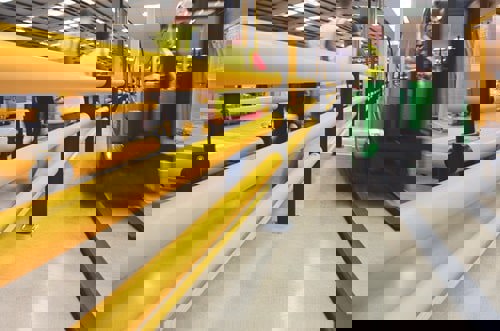 Photograph: UK Material Handling Association (UKMHA)
The consequences extend far beyond immediate injury, as recent statistics from the UKMHA bring to life:
- For every £1 of damage caused by a forklift, the hidden costs in stock loss, downtime and disruption can be £5 to £30.
- Serious accidents can permanently change lives and in some cases, entire families.
Lisa Ramos’s story is a tragic reminder and one that was shared with the industry during National Forklift Safety Day on June 10th. In 2006 she was struck by a reversing forklift while walking in a designated pedestrian area, losing her leg above the knee. Nearly two decades later, she and her husband David still live with the consequences.
As UKMHA continually stresses, a painted line on the floor is not enough, with proper separation of people and machinery – backed by strong systems and leadership commitment – absolutely vital.
Closing the knowledge gap
One of the industry’s biggest challenges is the lack of comprehensive data. Without accurate, aggregated insights into the causes of accidents involving forklifts, it is impossible to target improvements effectively.
To address this, UKMHA has launched its Incident Reporting Portal. Open to anyone working with MHE, the online solution allows accidents, near misses and unsafe occurrences to be logged confidentially and anonymously.
“If we are to improve safety around material handling equipment, then we must gather as much information as we can into the circumstances surrounding incidents,” explains David Goss, UKMHA technical director. “This isn’t about blame. It’s about building solutions based on evidence.”
Every entry, no matter how small, adds to the industry’s knowledge base. Even minor near misses can reveal recurring risks, from blind spots and pedestrian interactions to poorly maintained equipment. By encouraging widespread participation, UKMHA aims to build a national picture of MHE safety risks and provide data-driven recommendations for employers.
For occupational health and safety professionals, the safe management of MHE is not optional. It must be a core part of workplace transport strategy. UKMHA advises all organisations to focus on the following principles:
- Separate people from machines
Physical barriers, exclusion zones, and designated pedestrian routes are vital. Painted lines alone are insufficient. Employers should regularly review site layouts and traffic management plans. - Foster a reporting culture
Encourage staff to log not just accidents but also near misses and unsafe acts. Create an open, non-punitive environment where workers feel confident raising concerns. - Maintain competence
Operator training is not a one-off exercise. Regular refresher training, supervision and competency checks are essential to avoid complacency. - Embrace technology wisely
Safety systems such as proximity sensors, reversing alarms, telematics and pedestrian detection can support safer operations. However, technology must complement – not replace – training and good site design. - Use industry resources
The UKMHA Incident Reporting Portal is a free and confidential tool to help organisations learn from the wider industry. Insights from the portal will shape future training, best practice guidance, and even equipment design.
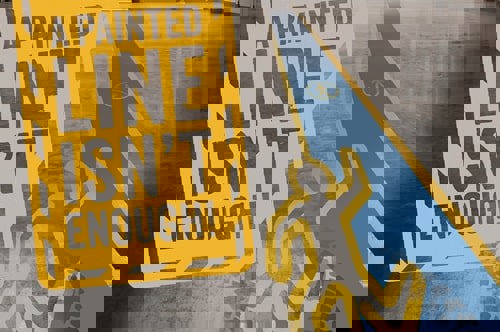 Photograph: UK Material Handling Association (UKMHA)
At a recent UKMHA roundtable, industry leaders agreed that workplace transport safety required more than compliance and an overarching culture of commitment. Leadership buy-in is crucial, as is collaboration between safety professionals, operators, and managers.
Rob Fisher, chief executive of UKMHA, added: “Safety never sleeps. Every report, every insight, and every preventative step can help stop another family from going through what Lisa and David experienced. Knowledge is power – but only if it is shared.”
The safe use of MHE is not confined to logistics or warehousing; it is a responsibility that spans every sector where people and machines interact.
By learning from past incidents, sharing information, and embedding a culture of vigilance, organisations can protect lives, reduce costs, and improve performance.
For more information about the UKMHA’s Incident Reporting Portal visit:
nationalforkliftsafetyday.co.uk/mhe-incident-reporting-portal
For further insights and practical
advice visit:
nationalforkliftsafetyday.co.uk
FEATURES
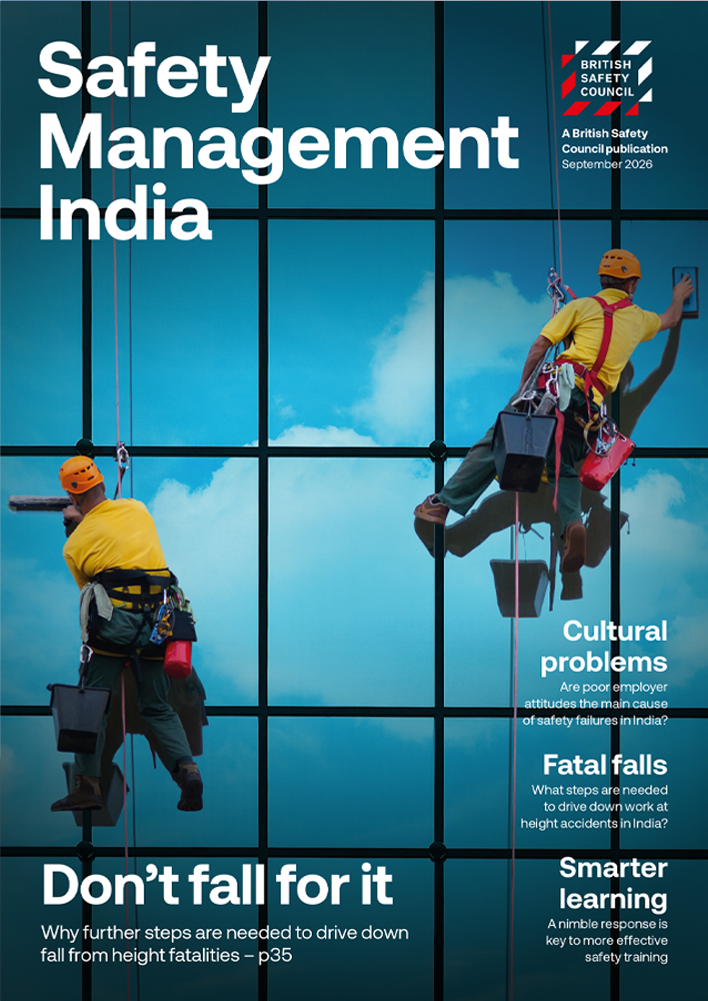
Fatal falls in India: why are the numbers not declining?
By Orchie Bandyopadhyay on 17 September 2026
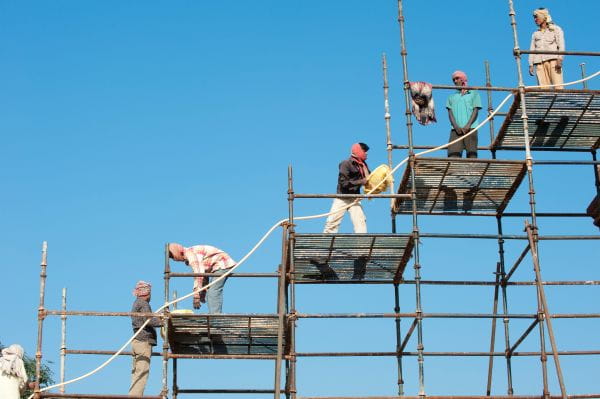
Despite widespread awareness of safe working procedures and equipment, falls from hieght remain one of the leading causes of workplace death and serious injury in India. Critics say problems such as time pressures and inadequate training lie at the root of many of these incidents, but others are hopeful that the new Occupational Safety, Health and Working Conditions Code will herald a reduction in falls by driving improvements in training, competence and supervision more widely.
Avoidable deaths, endless excuses: how can India improve its workplace safety culture?
By Orchie Bandyopadhyay on 17 September 2026
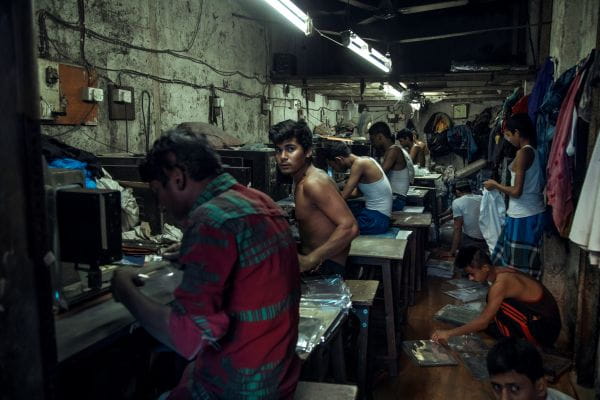
A recent series of high-profile workplace tragedies that claimed multiple lives across India have stoked public debate about the poor safety record of many of the country’s highest-risk industries. Trade unions argue that greater enforcement of safety laws is required to change business behaviour, while other commentators say many businesses require a huge internal cultural shift to safety excellence that must be led by directors and senior managers.
Why contact with electricity is this year’s leading powered access safety challenge
By on 14 September 2026