
Research suggests many managers would be reluctant to hire someone who experiences migraine due to fears they may regularly be absent from work, but simple and low-cost workplace adjustments are often all that is required to support people with migraine to continue to be fully productive.
Features
Managing migraine at work: what do employers get wrong?
By
on 01 June 2026
Migraine impacts one in seven people, many of whom are of working age, yet it remains poorly understood and, in many workplaces, poorly supported.
A complex neurological condition with a diverse range of symptoms, migraine can have a significant impact on those living with it.
This impact extends beyond the physical symptoms: the Migraine Trust’s 2024 research highlighted that 89% of people with migraine say their mental health has been affected as a result of the condition, with 55% saying the impact is significant, while 34% say they have thoughts of suicide due to their migraine.
With 49% of people with migraine saying that it has a negative impact on their ability to work, it’s vital that workplaces take the condition seriously.
 89% of people with migraine say their mental health has been affected as a result of the condition. Photograph: iStock
So, what do employers often get wrong about migraine? Here are some of the most common misconceptions about migraine that can impact staff with the condition:
Misconception one: ‘migraine = headache’
In our 2025 survey only around a third (32%) of those without migraine correctly identified it as a neurological condition, with a staggering 60% thinking it was merely ‘a bad headache’. While a moderate to severe headache is a common symptom of a migraine attack, it is often just one of many symptoms, including:
- Sensitivity to light, sounds and smells
- Nausea and vomiting
- Visual disturbances, issues with speech and numbness or tingling sensations (usually associated with the aura stage).
In addition to the headache or main attack phase, a migraine attack often involves other distinct stages, including:
- Prodrome stage – sometimes described as the warning stage, some people experience symptoms such as fatigue, neck pain or food cravings before the main attack phase
- Aura stage – experienced by up to a third of people who live with migraine, symptoms in this stage can include visual disturbances such as blind spots, coloured spots or lines and flashing or flickering lights, numbness or pins and needles or dizziness
- Postdrome stage – considered the recovery stage, many people report feeling fatigued and drained, sometimes for up to a few days, after the main attack phase.
Managing migraine also goes beyond the symptoms experienced during an attack. For many people living with the condition, changes to lifestyle and identifying triggers, with the aim of avoiding or reducing the impact of attacks, can be very taxing.
Misconception two: ‘people with migraine are unreliable or lazy’
Our survey of those without migraine revealed widespread perceptions of ‘laziness’ and using migraine as an ‘excuse’ to avoid work. In fact, 60% of people without migraine agreed migraine is often used as a joke at work.
These misconceptions of migraine also create a stigma associated with the condition that can have devastating impacts on employment opportunities.
Nearly two-thirds (60%) of people without migraine said that if they were managing a team, they would feel concerned about hiring a qualified candidate who disclosed having the condition. This concern is particularly high among C-level executives, rising to 83%, which could easily translate into discriminatory hiring practices.
In contrast, our research also showed that 91% of those with migraine had worked while experiencing migraine symptoms, with many using annual or unpaid leave to avoid taking sick days.
 Migraine is a serious neurological condition. Photograph: iStock
Misconception three: ‘workplace adjustments for people with migraine are expensive and complicated’
Often, simple changes in the workplace can make a big difference. Each staff member with migraine will have different needs, and what changes are considered practical will vary based on the organisation, so it is important to assess each situation individually. However, some simple changes that many people find helpful include:
- Adjusting break times to ensure staff with migraine get regular breaks
- Allowing time off for medical appointments
- Considering changes in working hours, flexible or remote working if this would help with time management, stress or workplace triggers.
Misconception four: ‘migraine is simply a minor ailment’
Migraine is a serious neurological condition that can have a considerable effect on every area of life, including work. Migraine varies in terms of severity and frequency of symptoms. This means the experience of migraine is different for each person, and even for one individual, the experience and severity of each migraine attack can differ.
Migraine attacks can last anywhere from a few hours to days, with symptoms that precede and extend beyond the headache phase. For some people, where migraine causes substantial, long-term impairment, it may be classed as a disability.
What can employers do to support staff with migraine?
While the negative effects of migraine can be considerable, there is a lot that employers can do to support their staff and reduce these impacts:
- Sign The Migraine Trust’s Workplace Pledge. By signing our workplace pledge, and completing our suggested actions, an organisation is demonstrating that it understands migraine can impact working life and is taking the first step to ensuring people with migraine are supported at work. On signing the pledge, employers will receive a range of resources and ideas to increase awareness of migraine in their organisation, tips on changes they can make to their workplace and details of upcoming events and ways to get involved.
- Create a culture in which staff feel comfortable talking about their needs. A working environment that prioritises openness and support allows staff to feel more confident to talk about their needs, including staff who live with migraine. A striking 58% of people with migraine have avoided disclosing their condition to employers or colleagues, often due to fear of not being taken seriously. Fostering a supportive culture by giving staff opportunities to discuss their needs can help with this.
- Review existing workplace policies. Only 2% of respondents strongly agreed that their workplace had migraine-friendly policies in place. Reviewing absence management, flexible working, display screen and remote working policies (where applicable) to ensure that they meet the needs of staff with migraine can be helpful.
For more information, advice and services on supporting staff with migraine, see:
migrainetrust.org
Andrea Quinn is communications manager at The Migraine Trust.

FEATURES
Fatal falls in India: why are the numbers not declining?
By Orchie Bandyopadhyay on 17 September 2026
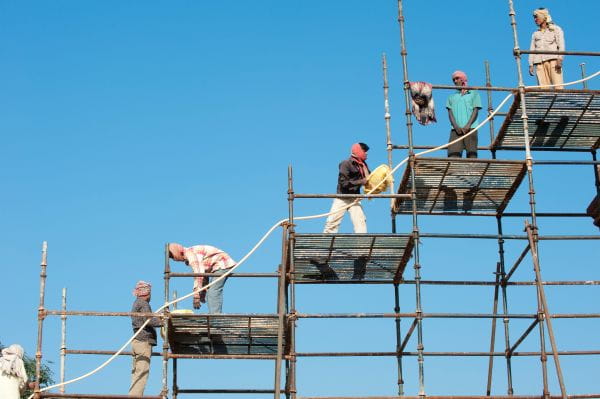
Despite widespread awareness of safe working procedures and equipment, falls from hieght remain one of the leading causes of workplace death and serious injury in India. Critics say problems such as time pressures and inadequate training lie at the root of many of these incidents, but others are hopeful that the new Occupational Safety, Health and Working Conditions Code will herald a reduction in falls by driving improvements in training, competence and supervision more widely.

Avoidable deaths, endless excuses: how can India improve its workplace safety culture?
By Orchie Bandyopadhyay on 17 September 2026
A recent series of high-profile workplace tragedies that claimed multiple lives across India have stoked public debate about the poor safety record of many of the country’s highest-risk industries. Trade unions argue that greater enforcement of safety laws is required to change business behaviour, while other commentators say many businesses require a huge internal cultural shift to safety excellence that must be led by directors and senior managers.
Why contact with electricity is this year’s leading powered access safety challenge
By on 14 September 2026