Learning that saves lives
Success can sometimes be a problem. The better we become at preventing incidents, the harder it can be to see what is actually preventing them.
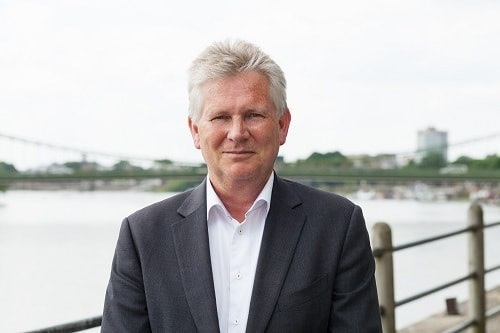
By Mike Robinson, chief executive, British Safety Council on 11 September 2026
Success can sometimes be a problem. The better we become at preventing incidents, the harder it can be to see what is actually preventing them.
By Mike Robinson, chief executive, British Safety Council on 11 September 2026
Migraine can have a profound, and often avoidable, impact on people’s working lives and careers. The Government’s growing focus on workplace health offers an important opportunity to change this, but only if this common, often disabling and frequently invisible neurological condition is properly understood and addressed by Government, the NHS and employers.
By Rob Music, The Migraine Trust on 07 September 2026
With rising temperatures posing a growing health risk to UK workers, the TUC is calling for HSE guidance to be updated to require employers to take specific steps to protect workers' wellbeing when temperatures exceed pre-set trigger points.
By Huma Haq, TUC on 01 August 2026
The Sentencing Council Health and Safety Offences, Corporate Manslaughter and Food Safety & Hygiene Offences Definitive Guideline (‘the Guidelines’) came into force nearly 10 years ago. The Guidelines sought to implement a proportionate approach to sentencing, ensuring that the levels of fines imposed are proportionate to the means of the offender and reflect the seriousness of the offence committed. This article will explore the sentencing process, provide an update on sentencing over the years and will explore some recent cases.
By Polly Geddes and Hannah Burton, Pinsent Masons on 29 July 2024
Cast your mind back to summer last year. Do you recall the almighty row about expanding the Ultra-Low Emission Zone (ULEZ) to the whole of Greater London? You may also remember just how vociferous, and political, the arguments became.
By Mike Robinson FCA on 31 July 2024
Workers across the world are increasingly being exposed to excessive heat with serious implications for their safety and health. It is therefore vital that governments, employers and workers’ organisations develop, share and implement practical and low-cost strategies and measures for effectively reducing the risk from heat stress at work.
By Halshka Graczyk and Lacye Groening, ILO on 07 April 2025
The Office for Environmental Protection is an independent body set up to hold government and public authorities to account for their environmental commitments. A key part of its remit is to annually assess how government is progressing against its legally binding environmental targets and goals in its Environmental Improvement Plan (EIP). The EIP is regarded as government’s roadmap on how it will restore England’s environment.
By Professor Robbie McDonald, Office for Environmental Protection on 17 March 2026
PFAS pollution is a rapidly growing concern in the UK. PFAS are widespread in the UK’s environment, wildlife, and people and research shows that the cost of cleaning up PFAS in the UK is astronomical. The question is, what is the government currently doing to address these issues, and is it enough?
By Dr Shubhi Sharma, CHEMTrust on 15 April 2026
Changes to employment legislation relating to sexual harassment at work, which came into force in October 2024, imposed a new ‘preventative’ legal duty on employers, requiring them to be more proactive in preventing sexual harassment from occurring.
By Annie Gray, Schofield Sweeney law firm on 05 May 2026
For years, workers across several industries have relied on PPE which was never designed to fit them properly, putting both their comfort and their safety at risk. The CIOB’s #PPEThatFits campaign and a new British Standard are now driving a long-overdue shift towards inclusive protective equipment.
By CIOB (Chartered Institute of Building) and #PPEThatFits campaign on 08 May 2026
For many years, hot weather in the UK construction sector was treated largely as a comfort issue, something to manage with extra water breaks and a shaded rest area.
By Dr Alba Fuertes, University of Reading on 28 July 2026
Success can sometimes be a problem. The better we become at preventing incidents, the harder it can be to see what is actually preventing them.
By Mike Robinson, chief executive, British Safety Council on 11 September 2026