Learning that saves lives
Success can sometimes be a problem. The better we become at preventing incidents, the harder it can be to see what is actually preventing them.
By Mike Robinson, chief executive, British Safety Council on 11 September 2026
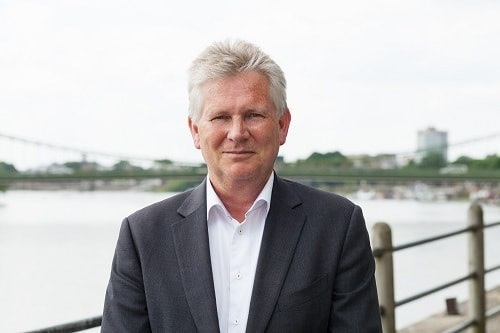
Success can sometimes be a problem. The better we become at preventing incidents, the harder it can be to see what is actually preventing them.
By Mike Robinson, chief executive, British Safety Council on 11 September 2026

Migraine can have a profound, and often avoidable, impact on people’s working lives and careers. The Government’s growing focus on workplace health offers an important opportunity to change this, but only if this common, often disabling and frequently invisible neurological condition is properly understood and addressed by Government, the NHS and employers.
By Rob Music, The Migraine Trust on 07 September 2026

With rising temperatures posing a growing health risk to UK workers, the TUC is calling for HSE guidance to be updated to require employers to take specific steps to protect workers' wellbeing when temperatures exceed pre-set trigger points.
By Huma Haq, TUC on 01 August 2026

Although forward-thinking organisations are increasingly taking action on menopause awareness and support at work, attention is now turning to menstrual health as the next essential step in building an inclusive, equitable and high-performing workplace.
By Deborah Garlick, Menstruation Friendly by Henpicked on 30 April 2026

A failure to properly classify, store, handle and dispose of hazardous waste can result in civil or criminal penalties. It is therefore essential that businesses have an appropriate management system to ensure waste is correctly identified, accompanied by the correct documentation and handled only by licensed contractors.
By Emma Tattersdill, Bexley Beaumont law firm on 17 April 2026
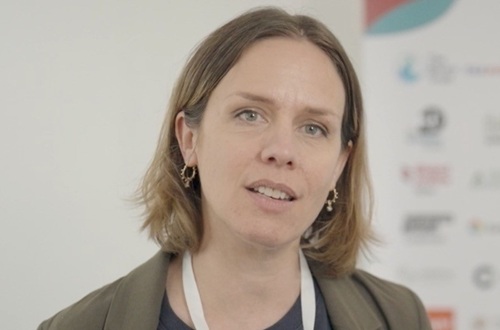
The recent documentary revealing alarmingly high levels of PFAS in the blood of residents from a Yorkshire town, reveals some of the real-life consequences of one of the biggest pollution crises of our time.
By Chloe Alexander, Wildlife and Countryside Link on 16 April 2026

With scientific evidence increasingly showing that gas cooking causes harmful indoor air pollution and contributes to climate change, it is vital that commercial kitchens globally switch to safe and clean electric cooking methods.
By Monica Burns, Global Cooksafe Coalition on 15 April 2026
In the sphere of workplace injuries, not all harm is immediate. Some of the most profound impacts on human health at work unfold slowly, out of sight and, seemingly, out of mind. Their effects accumulate and compound casting a long shadow over our working lives; one that may stretch years or decades beyond the initial point of exposure.
By Mike Robinson FCA, British Safety Council on 14 April 2026

UK efforts to tackle air pollution have focused almost exclusively on public health and outdoor air quality, meaning the risks to workers from poor indoor air quality in workplaces have been seriously neglected.
By Graham Petersen, Trade Union Clean Air Network (TUCAN) on 13 April 2026

With growing evidence of rising cases of asbestos disease among people working in buildings containing asbestos, it is clear the existing strategy of managing asbestos-containing materials ‘in situ’ is failing, and a comprehensive programme of removal must be adopted as quickly as possible.
By Charles Pickles, Airtight on Asbestos on 02 April 2026

PFAS (per- and polyfluoroalkyl substances), also known as ‘forever chemicals’, present significant long-term environmental, human health and economic threats for the UK.
By Megan Kirton and Heather McFarlane, Fidra on 01 April 2026

Health and safety professionals are uniquely placed to help businesses meet ever-increasing sustainability challenges, but a new survey suggests they need to rapidly expand their knowledge of the relevant regulations, risks and technical practices if they are to effect real change within organisations.
By Lisa Pool, Institute of Sustainability and Environmental Professionals (ISEP) on 17 March 2026

With England facing a 6 billion litres per day water supply shortfall by 2055 and the water sector undergoing its biggest reform since privatisation, business has an essential role in demand and efficiency to ensure resilient future supplies.
By Tamara Walters, Waterwise on 17 March 2026